Jimmy Carter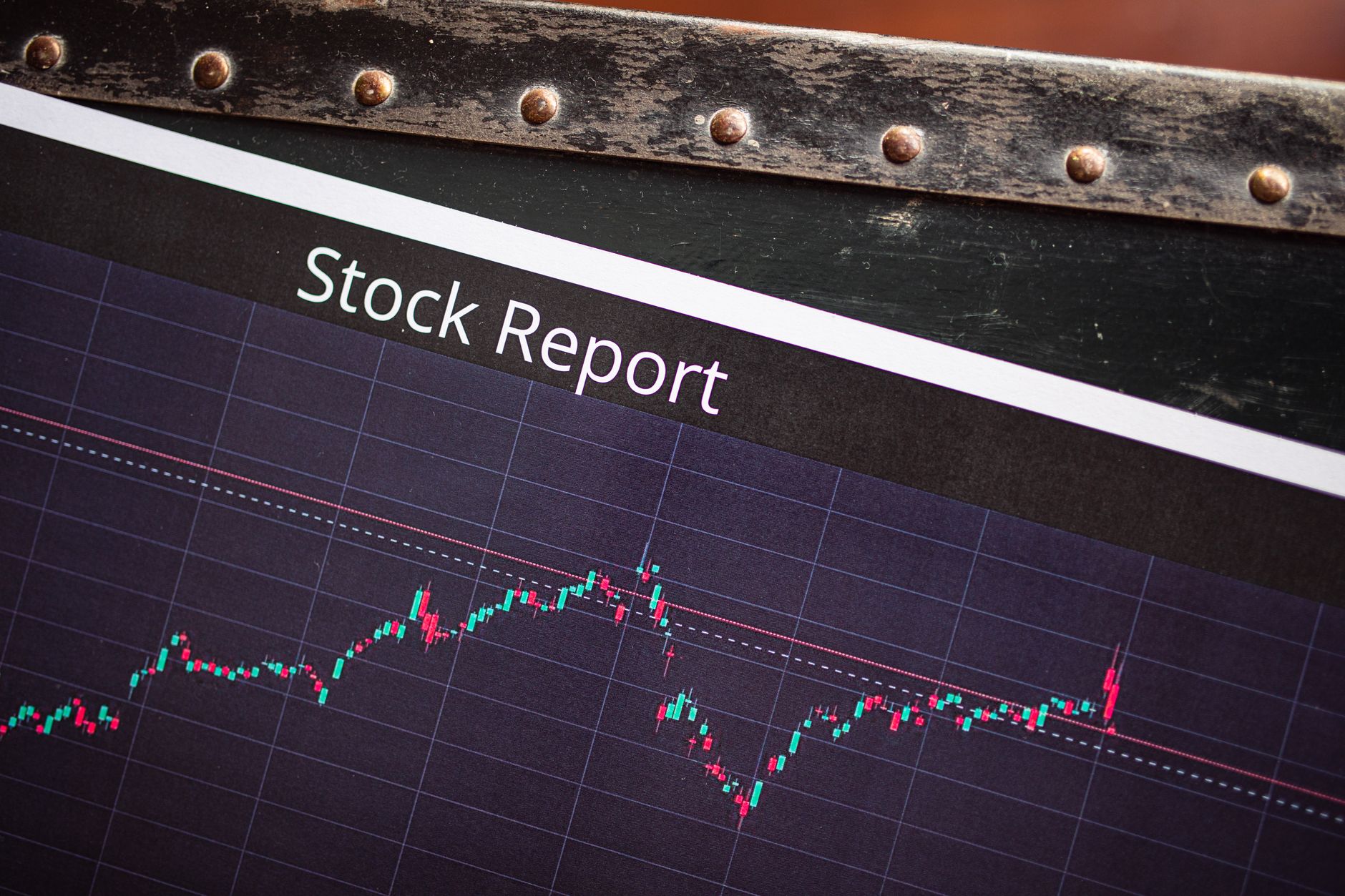
Amazon stock dip is making headlines as the e-commerce giant commits $3 billion to expand its quick delivery service in India.
Overview of Amazon’s Investment in India
Amazon has made significant strides in its investment strategies, particularly in emerging markets like India. Recently, the company announced a substantial commitment of $3 billion aimed at enhancing its quick delivery services across the country. This move is seen as a pivotal step for Amazon as it seeks to solidify its market presence in one of the fastest-growing e-commerce territories.
The investment is expected to bolster Amazon’s infrastructure, allowing for quicker shipping times and improved service delivery to Indian consumers. With a burgeoning middle class and a rapidly increasing internet user base, India presents a lucrative opportunity for Amazon to expand its customer reach.
However, despite the long-term vision, the announcement coincided with a notable dip in Amazon’s stock. Investors are currently reacting to a combination of market pressures and the potential implications of such a hefty financial commitment. Concerns have been raised regarding the company’s profitability and return on investment in the short term, leading to discussions about the overall impact of the Amazon stock dip on investor sentiment.
As Amazon navigates these challenges, the focus remains on how effectively the company can execute its expansion plans while maintaining investor confidence amid fluctuating market conditions.
Impact of Stock Dip on Investors
The recent Amazon stock dip has sent shockwaves through the investment community, raising concerns about the company’s long-term growth strategy. Investors are closely monitoring the implications of Amazon’s $3 billion pledge for expansion in India’s quick delivery market, which, while ambitious, has raised questions about profitability and resource allocation.
As the e-commerce giant increases its financial commitment overseas, many investors are reassessing their positions. The dip in stock value has led to a noticeable shift in sentiment, with analysts highlighting several potential impacts:
- Short-term volatility: The immediate reaction from the market may lead to increased fluctuations in Amazon’s stock price as investors react to news and earnings reports.
- Long-term growth concerns: While expansion into emerging markets can yield significant returns, the risk associated with such investments is causing apprehension among shareholders.
- Profitability scrutiny: Investors are questioning how much of Amazon’s revenue will be reinvested in these new ventures, which could affect overall profitability in the near term.
In summary, the Amazon stock dip not only reflects current market sentiment but also prompts investors to weigh the potential risks against the opportunities that come with ambitious expansion plans.
E-Commerce Trends in India
The e-commerce landscape in India is witnessing significant transformation, even as Amazon stock dip raises concerns among investors. The company has committed to investing $3 billion to enhance its quick delivery services in the region, a move that aims to strengthen its foothold in one of the fastest-growing online markets.
Recent trends indicate a shift in consumer behavior, with more individuals opting for online shopping due to convenience and increased smartphone penetration. Key factors contributing to this surge include:
- Mobile Accessibility: With more users accessing the internet via smartphones, e-commerce platforms are becoming increasingly user-friendly and accessible.
- Changing Consumer Preferences: The pandemic has accelerated the adoption of online shopping, leading to a more significant reliance on e-commerce solutions.
- Competitive Pricing: Companies like Amazon are leveraging their vast resources to offer competitive prices and prompt delivery options, attracting more customers.
As Amazon aims to capture a larger share of the Indian market, the implications of the recent Amazon stock dip cannot be overlooked. Investors are closely monitoring how these initiatives will translate into financial performance in the upcoming quarters. The success of this expansion may play a crucial role in mitigating concerns related to the stock dip and restoring investor confidence.
How Amazon Competes with Local Rivals
In recent months, Amazon has faced significant challenges in the Indian market, as local rivals have ramped up their efforts to capture a larger share of the e-commerce sector. The latest Amazon stock dip has raised concerns among investors about the company’s ability to maintain its competitive edge in a rapidly evolving landscape.
Amazon’s strategy to combat local competition includes:
- Investment in Infrastructure: The company has committed to enhancing its logistics and delivery capabilities. The $3 billion investment aims to improve quick delivery services, which are crucial in a market that values speed and reliability.
- Local Partnerships: Amazon has been actively forming alliances with local businesses to better understand consumer preferences and streamline operations. By collaborating with regional firms, Amazon hopes to offer tailored services that resonate with Indian shoppers.
- Expanding Product Range: To attract more customers, Amazon is focusing on diversifying its product offerings, including local products that appeal to Indian consumers. This strategy not only boosts sales but also strengthens ties with local suppliers.
Despite these efforts, the Amazon stock dip reflects investor skepticism regarding the company’s ability to outpace its competitors. As local players continue to innovate and adapt, Amazon must remain vigilant to sustain its market position and reassure its investors.
Future Projections for Amazon’s Stock
As analysts assess the implications of the recent Amazon stock dip, many are considering future projections for the tech giant’s stock performance. While the $3 billion investment in India’s quick delivery expansion signals Amazon’s commitment to growth, investors remain cautious about potential short-term volatility.
Several factors will likely influence Amazon’s stock trajectory in the coming months:
- Market Competition: Amazon faces increasing competition from local e-commerce firms, which may impact its market share and profitability.
- Regulatory Challenges: Stricter regulations in various markets could pose risks to Amazon’s operational strategies, affecting investor sentiment.
- Consumer Behavior: Changes in consumer spending habits, especially in the wake of economic uncertainty, may influence Amazon’s sales forecasts.
- Technological Innovations: Continued investment in technology and logistics could enhance operational efficiency, potentially leading to improved financial performance.
Despite the current challenges, some experts suggest that the long-term outlook for Amazon remains positive. They argue that the company’s adaptability and innovative approach to e-commerce may eventually lead to recovery and growth in stock value. However, investors should remain vigilant and monitor market conditions closely as they navigate the implications of the recent Amazon stock dip.
Consumer Response to Quick Delivery Services
The recent Amazon stock dip has raised concerns among investors, but consumer response to the company’s quick delivery services remains overwhelmingly positive. Many customers value the convenience and speed of delivery, particularly in bustling urban areas. According to surveys, a significant percentage of consumers express satisfaction with their shopping experiences on Amazon.
Some key factors contributing to the favorable consumer response include:
- Speed of Delivery: Customers appreciate the fast shipping options, with many items arriving within one to two days.
- Wide Product Selection: The extensive range of products available on Amazon allows consumers to find almost anything they need in one place.
- Customer Service: Amazon’s commitment to resolving issues swiftly enhances the overall shopping experience and builds customer loyalty.
Despite the recent stock dip, Amazon’s investment in enhancing its quick delivery services, particularly with the additional $3 billion pledged for expansion in India, reflects its dedication to meeting consumer demands. This strategic move could potentially fortify Amazon’s market position and contribute to long-term growth, even as investors grapple with the implications of fluctuating stock prices.
As consumers continue to embrace the convenience of Amazon’s services, the company’s ability to adapt and innovate will play a crucial role in its future success.
Conclusion: What This Means for Amazon’s Growth
In light of the recent Amazon stock dip, investors are left grappling with the implications for the e-commerce giant’s future growth. The decision to allocate $3 billion towards enhancing quick delivery services in India, while ambitious, raises questions about the impact on profitability and shareholder confidence.
Despite the commitment to expanding its presence in a rapidly growing market, the stock dip suggests that investors are wary of the potential risks involved. Analysts are divided on whether this strategic move will pay off or strain the company’s resources further. Key factors for consideration include:
- Market Competition: Local rivals are aggressively vying for market share, which could dilute Amazon’s investments.
- Return on Investment: The effectiveness of the $3 billion pledge remains uncertain; success hinges on consumer uptake of new services.
- Broader Economic Conditions: Global economic uncertainties may hinder overall growth prospects, impacting stock valuations.
Ultimately, the Amazon stock dip serves as a wake-up call for investors. While the company’s expansion efforts in India could position it for long-term success, immediate concerns about financial health and competitive dynamics cannot be overlooked. Investors will need to carefully evaluate the potential for a rebound as Amazon navigates these challenges.
The recent Amazon stock dip has left many investors questioning their strategies for the upcoming year. With analysts predicting further volatility, the Amazon stock dip could signal a more significant trend in the tech sector.
Photo by RDNE Stock project on Pexels