Jimmy Carter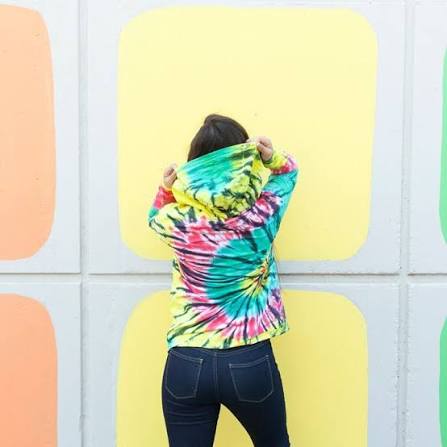
Tie-dye keeps attracting attention because every design has its own look. A tie-dye hoodie brings together comfort, casual styling and artistic color placement without being hard to wear. From soft, cloud-like blends to energetic spirals, there are plenty of options, and knowing a little about patterns, colors and techniques makes choosing one easier.
What Makes Tie-Dye Patterns Look Unique?
The uniqueness of tie-dye comes from the way fabric is folded, twisted, gathered, or compressed before color is applied. These methods influence how the final pattern develops. Since the dye interacts with the material in different areas, no two pieces necessarily look exactly alike.
Spiral patterns are recognized for their circular movement, while crumple patterns create a more relaxed and unpredictable appearance. Striped effects can provide visual direction, and sunburst-inspired designs often create a focal point around a selected area. Each approach gives the hoodie a different personality.
Which Colors Work Well Together?
Color selection plays an important role in the overall appearance of a tie-dye hoodie. Harmonious combinations can produce a calm and balanced effect, while contrasting shades create a stronger visual statement.
Blue and green feel fresh, purple and pink read softer, and orange, yellow and red feel energetic. Ice dyeing adds a twist: mixed dyes such as black or brown can separate into their component colors as the ice melts. Studios like Floorboard Findings point to that pigment splitting as the reason no two of their hoodies match.
Why Are Color Transitions Important?
Smooth transitions between shades can make a pattern appear sophisticated. When colors gradually blend into one another, the design can feel fluid rather than visually crowded.
Sharp transitions have a different effect. They make individual color sections more noticeable and can give the garment a stronger graphic appearance. The choice depends on whether the desired style is subtle, artistic, bold, or playful.
Does Fabric Affect the Final Pattern?
Yes. Fabric composition and texture influence how dye spreads and settles. Materials with a suitable absorbency can allow colors to move naturally through the fibers, helping create softer transitions.
The texture of the fabric also affects how the finished design is perceived. A smooth surface may highlight color gradients clearly, while a textured material can give the pattern additional visual depth.
How Can Pattern Scale Change the Look?
Pattern scale can significantly influence styling. Smaller, scattered designs may appear understated and versatile. Larger shapes and dramatic color sections usually attract more attention.
A balanced pattern can make the hoodie suitable for everyday outfits, while a highly expressive design may work better as the central element of a casual look. Considering the intended use helps when selecting pattern intensity.
Are Tie-Dye Hoodies Suitable for Different Personal Styles?
They can complement a wide range of casual preferences. Someone who prefers minimal styling may choose muted colors and irregular patterns. Those who enjoy expressive fashion may prefer vivid shades and clearly defined designs.
The hoodie can also be layered with simple garments so that the pattern remains the primary visual feature. This approach keeps the overall outfit coordinated without making it appear overly complicated.
What Should Buyers Consider Before Choosing a Design?
Color preference, pattern scale, fabric feel, and intended styling are useful factors to consider. It also helps to examine how the colors are distributed rather than focusing on a single section of the garment.
A well-designed hoodie should combine visual interest with everyday comfort. When these qualities work together, tie-dye becomes more than a temporary trend and can serve as a distinctive part of a casual wardrobe.
Why Does Individuality Matter in Tie-Dye Fashion?
Individuality is one of the strongest attractions of tie-dye clothing. Variations in folding, dye placement, and color interaction mean that each design can communicate a different mood.
This creative quality makes tie-dye particularly appealing to people who want clothing that feels less uniform. By understanding patterns and color relationships, shoppers can select designs that reflect their own preferences while maintaining a polished and wearable appearance.

 Charles Diaz